Burnt Outlet in Upper Coomera
A scorched, discoloured or warm power point should never be ignored. Family Electrician Upper Coomera offers same-day service, finds the fault fast, and leaves it safe, backed by 300+ five-star reviews and Lic #83326.
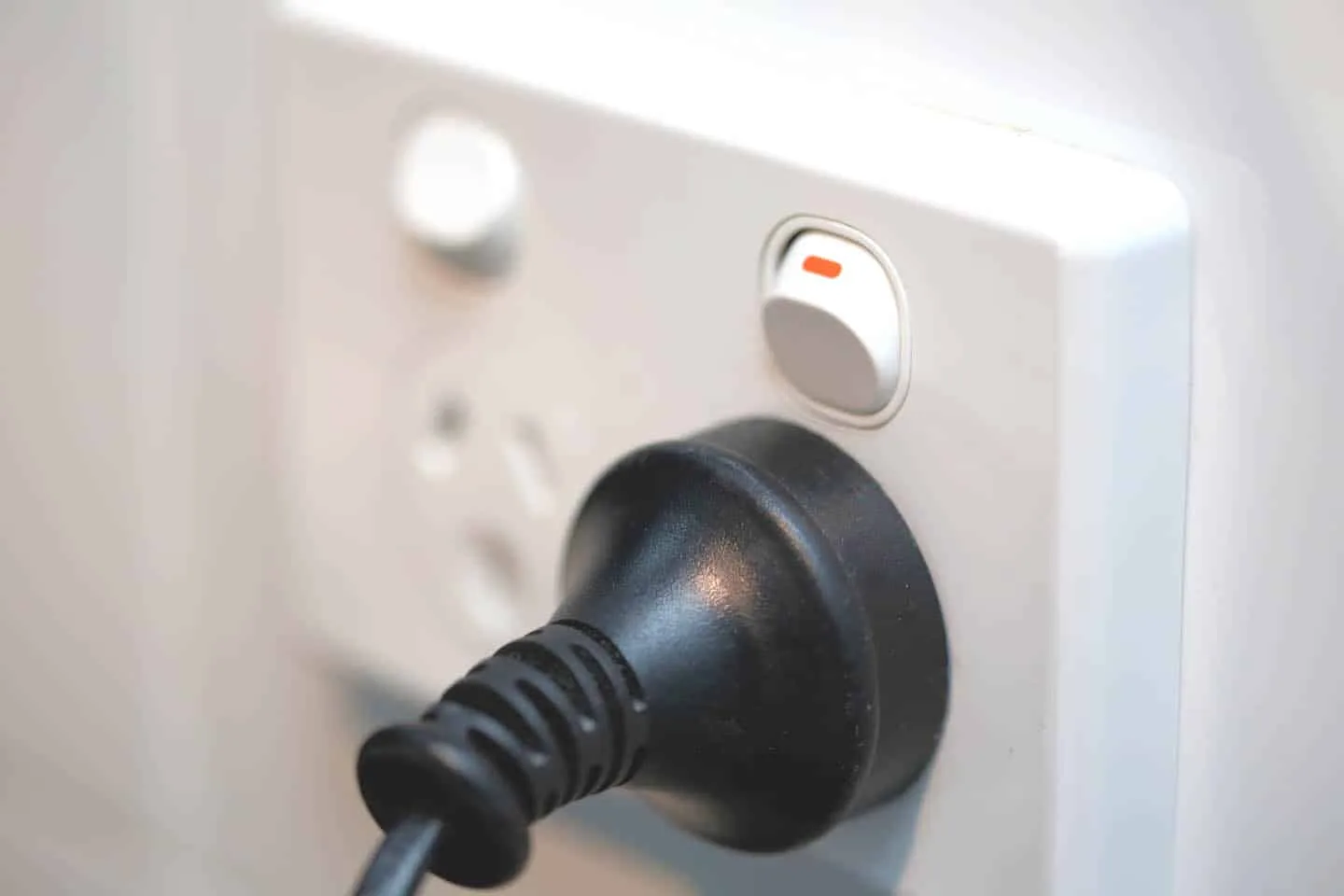
What a Burnt Outlet Actually Means
Scorch marks, discolouration or heat around a power point mean the plastic and terminals inside have been running hotter than they should, usually from a loose connection or arcing. Under AS/NZS 3000, that heat should never be present in a healthy point. The team at Family Electrician Upper Coomera sees this one all the time, and the fix is usually straightforward.
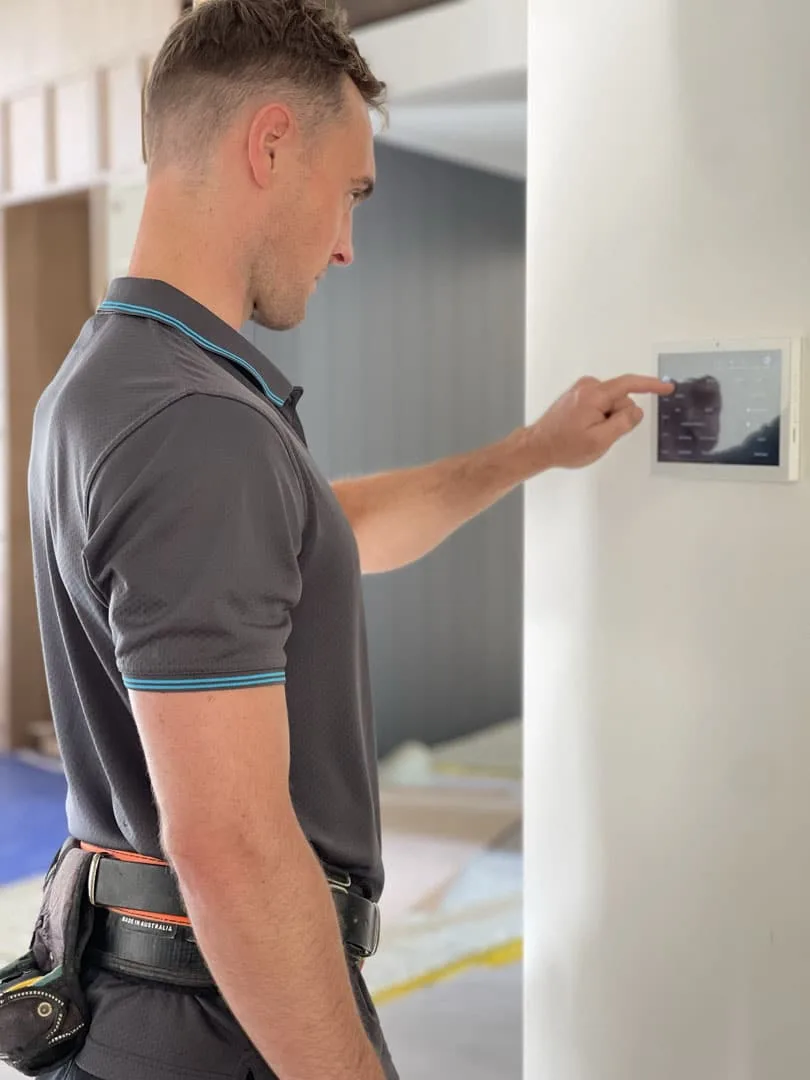
Common Causes of a Burnt Outlet
An overloaded power point
Double adaptors and power boards piggybacked onto one outlet push more current through it than the point is rated for, and the strain shows up as heat around the plate.
Loose or poorly terminated wiring
A connection that was never fully tightened, or has worked loose over time, creates resistance at the terminal and generates heat every time the point is used.
Arcing behind the point
A small gap in a connection can arc under load, scorching the plastic housing and terminals from behind long before the fault is visible from the front.
Cheap builder-grade fittings in newer estate homes
Upper Coomera's rapid run of project-home construction means many points are volume-builder grade, and lower-spec plastics and terminals are more likely to heat up under sustained load.
High-draw appliances on an undersized circuit
Running a portable air conditioner, kitchen appliances, or an EV charger lead through a point built for lighter loads pushes the wiring further than it was designed to carry.
Is a Burnt Outlet Dangerous?
Yes. A scorched or burnt power point is one of the few electrical faults you should never ignore. It is a genuine fire-risk sign, not a cosmetic issue, and needs checking the same day, not next week.
- A scorched, discoloured or warm point should be treated as urgent, whatever the room
- Any smell, buzzing, or heat alongside the marks is a stronger fire-risk sign
- Have it checked the same day, since the fault will not fix itself
Call now to book your electrician today on (07) 5566 1401.
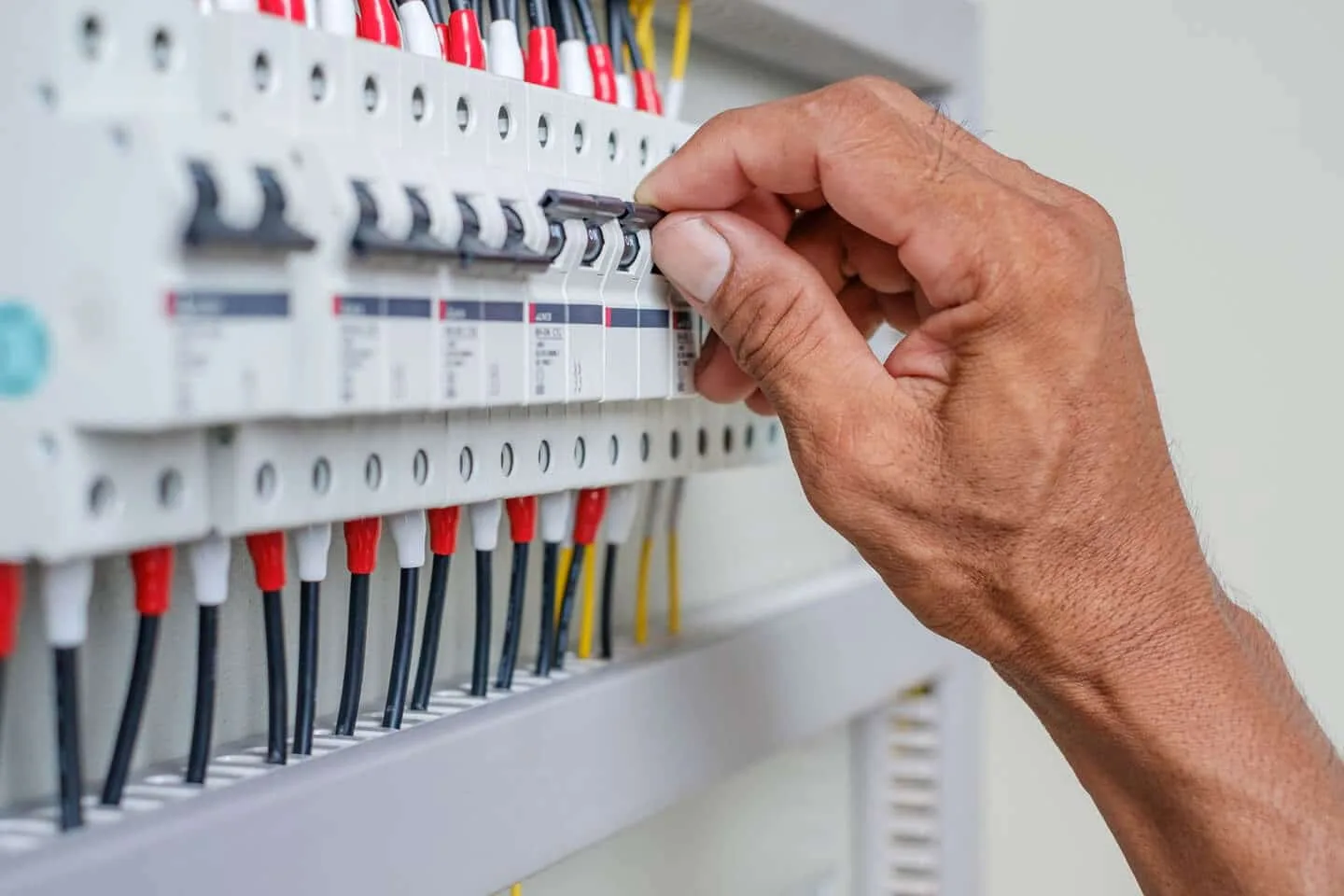
What To Do Right Now
If you have found a burnt or warm power point, a few safe steps protect your home until we arrive, without you needing to touch any wiring yourself:
- Turn off the affected circuit or the main switch at the switchboard right away.
- Unplug anything that was plugged into that point and leave it unplugged.
- Do not use the point again until it has been checked and cleared.
- Do not open the point, remove the faceplate, or investigate the wiring yourself.
- Call a licensed electrician (Lic #83326) now.

When To Call an Electrician for a Burnt Outlet in Upper Coomera
- The point is scorched, discoloured, or warm to touch
- There is any smell, buzzing, or crackling near the point
- More than one point on the same circuit shows warmth or marks
- The point feeds a pool pump, EV charger, or another high-draw appliance
- You are not sure which circuit the affected point belongs to
Any of these at your Upper Coomera property is a same-day job for a licensed electrician, not something to leave until it gets worse. We turn up quickly, quote clearly before we start, and can arrange electrical repairs or a full safety inspection.
How it works
How We Fix a Burnt Outlet
Fault Finding
We isolate the circuit and check the point, its wiring and its terminals methodically to confirm exactly what caused the scorching before touching anything else.
Upfront Quote
Once we know what needs replacing, we explain it plainly and give you clear pricing before we start, so the full cost is clear upfront.
The Repair
We replace the damaged point and any affected wiring, and if the circuit is overloaded, we may recommend a switchboard upgrade to prevent it recurring.
Testing & Safety Check
We test the repaired circuit and check nearby points against AS/NZS 3000, so nothing else on that circuit is quietly heading toward the same fault.
Why This Is Common in Upper Coomera Homes
Upper Coomera's master-planned estates like Highland Reserve and Coomera Springs have grown fast since the 2000s, and many original points now carry double adaptors and high-draw appliances they were never built for, a pattern we also see in neighbouring Coomera.
Burnt Outlets and Related Electrical Faults Across Upper Coomera
A burnt outlet often shows up alongside a burning smell or overloaded power points. We fix all three across Upper Coomera, Oxenford, Pimpama, and the wider northern Gold Coast.

Burnt Outlet? Call Now
Call (07) 5566 1401 for same-day and emergency service, clear pricing before we start, and Lic #83326 Accredited Master Electricians. We will find the fault and leave it safe and sorted. Get in touch.
Common questions
Burnt Outlet FAQs
Here are the questions we hear most from local homeowners dealing with a scorched or warm power point, with straight answers before you pick up the phone.
Is a burnt power point dangerous?
Yes. A scorched, discoloured or warm power point is a genuine fire-risk sign, so stop using it, switch it off, and get it checked the same day.
What causes a power point to burn or scorch?
Loose or poorly terminated wiring, an arcing connection, an overloaded point, or an ageing outlet under strain are the most common causes we find.
What should I do if I find a burnt power point?
Switch off the circuit or the main switch, unplug anything on that point, do not touch or use it again, and call a licensed electrician straight away.
Do I need an electrician to fix a burnt outlet?
Yes. A scorched point should never be reset, taped over, or left in use, since it needs a licensed electrician to find the fault and replace it safely.
How much does it cost to fix a burnt power point?
It depends on what the fault finding uncovers, so we assess it onsite first and give you clear pricing before we start, with no surprises.
Are overloaded power points a common cause of scorching in Upper Coomera estate homes?
Yes. Many estate homes carry double adaptors and piggybacked appliances on points that were never built for today's household loads.